

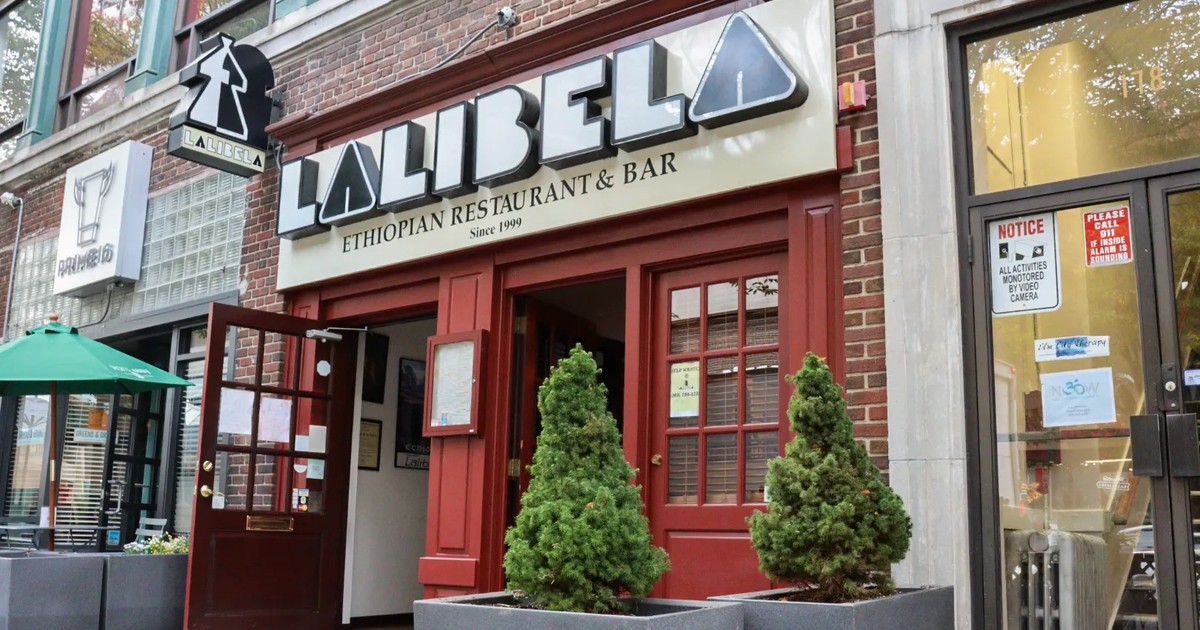
Walk down Temple Street on a weekday afternoon and you can smell it before you see the red doors: onions, garlic, ginger and berbere cooking down slowly. Above the doors at No. 176, the sign says it plainly: Lalibela Ethiopian Restaurant & Bar, Since 1999.
Plenty of New Haveners have eaten there, or grabbed a lunch plate from the Lalibela truck downtown. Fewer know that the chef learned every recipe from her mother, that the injera is mixed the night before and baked fresh twice a day, or that the James Beard Foundation put her name on its national list this year.
Here is the Tessema family story behind Lalibela, what diners are saying, and what to order when you go.
From Ethiopia to North Haven to Temple Street
Wubneh “Wub” Tessema came to the United States from Ethiopia in 1995. His brother was living in North Haven, so that’s where he settled, he told Tagan Engel of The Table Underground in a 2021 interview. Shilimat Tessema arrived in 1998. The two married and raised three children here. “Connecticut is my home,” she said.
Lalibela opened in 1999. In that interview, Wub said his brother started the business and that he and Shilimat took it over in 2007. Shilimat said she had worked in the restaurant since it opened. The City of New Haven’s official proclamation for the restaurant’s 25th anniversary credits Wub and Shilimat, “a husband and wife team,” and Yonas Asfaw as the founders who shared “a dream of sharing Ethiopian cuisine and culture to residents and visitors of New Haven.”

Recipes that came from her mother
Shilimat is the owner and executive chef, and her husband is quick to give her the credit. “In Ethiopian culture women take their cooking from their parents,” Wub said. Shilimat learned to cook Ethiopian food from her mother, who lived with the family in Connecticut for many years.
That is also why she is hard to replace in the kitchen. “Ethiopian cuisine is not like some people go to culinary and you learn it. You have to learn it from the family,” Wub said. Shilimat said she has to be there “the minute I open until I close,” checking the cooks.
Her favorite dishes are the vegetarian ones: collard greens and spicy lentils, plus the spicy chicken doro wat. Customers, she said, love the fosolia (green beans and carrots) and the spinach and potato.
Then there is the injera, the spongy, slightly sour flatbread that serves as plate, utensil and side dish all at once. Shilimat said in 2021 that the batter is mixed the night before, half teff and half flour, and baked fresh in the morning and again in the afternoon. An all-teff version is available for diners who need gluten-free. The mission statement attributed to Shilimat on the restaurant’s website promises “the healthiest food in town, crafted with love and tradition.”
A James Beard nod and a city proclamation
In January, the James Beard Foundation named Shilimat Tessema a 2026 semifinalist for Best Chef: Northeast, one of the country’s top culinary honors. She was the only New Haven chef among the 20 semifinalists from the six New England states.
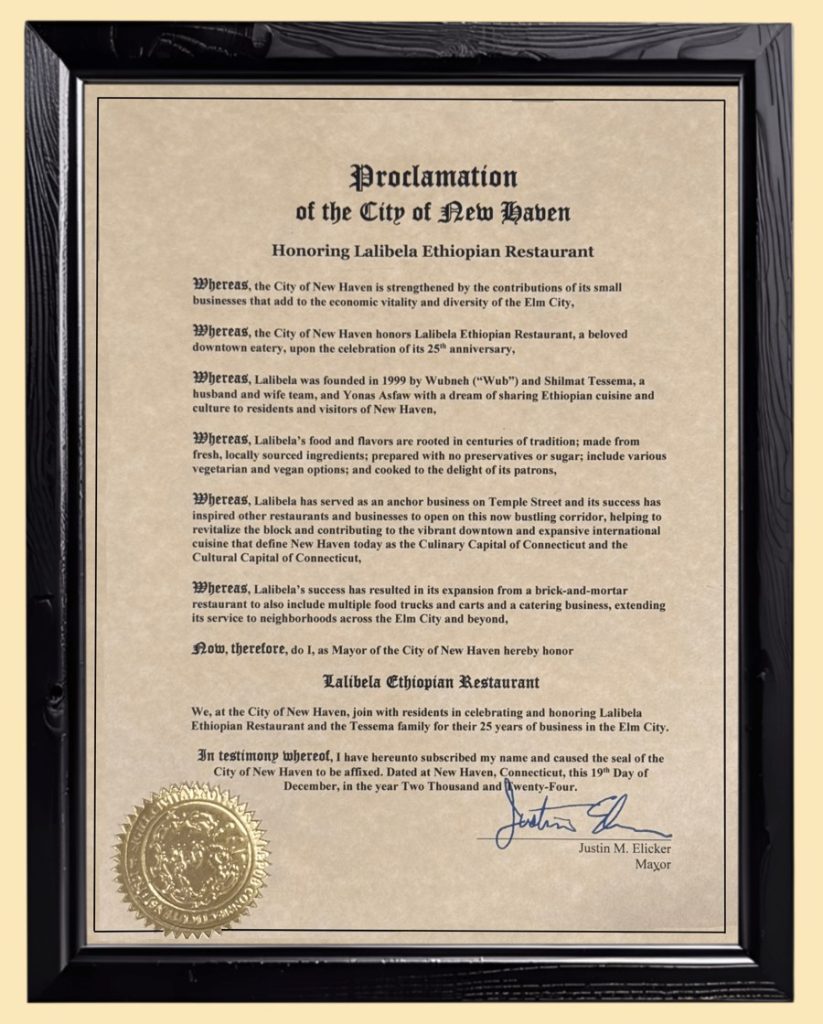
The year before, the city had already made it official. On Dec. 19, 2024, Mayor Justin Elicker signed a proclamation honoring Lalibela and “the Tessema family for their 25 years of business in the Elm City.” It calls the restaurant “an anchor business on Temple Street” whose success “inspired other restaurants and businesses to open on this now bustling corridor.” The framed proclamation now appears on the restaurant’s website.
Coffee, a bar and a truck on Church Street
Lalibela is a full restaurant and bar. The drinks list includes Ethiopian lagers such as St. George, Habesha and Walia, Ethiopian honey wine and Rift Valley wines, alongside cocktails and a short wine list from around the world. Diners also mention the coffee, which the restaurant’s own photos show poured from a clay jebena pot.

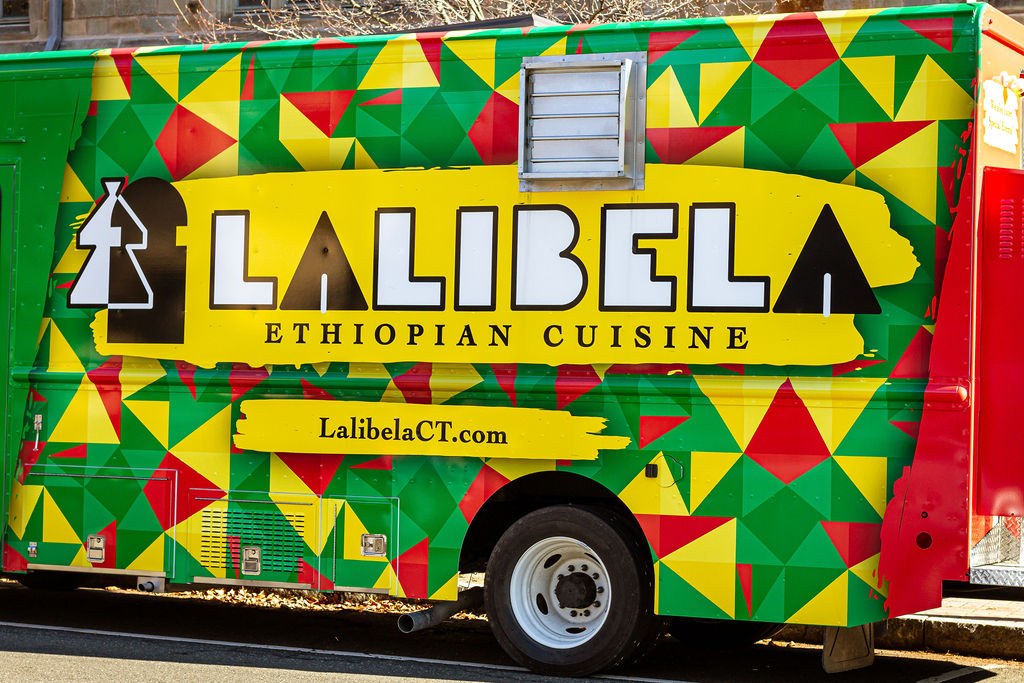
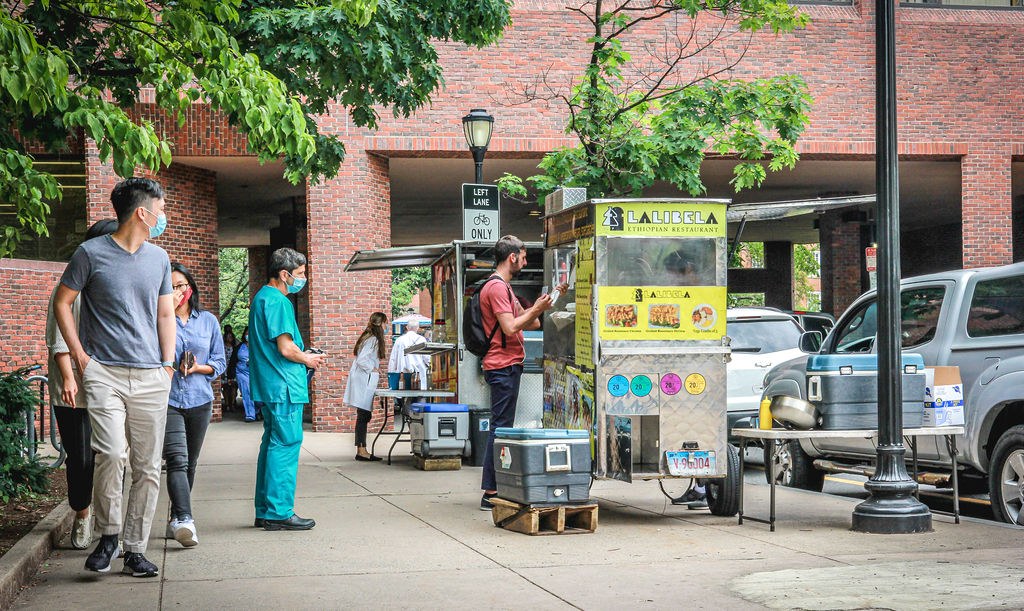
The family also runs a fleet that a lot of downtown workers and Yale staff know by sight. According to the restaurant’s website, the bright green-and-yellow Lalibela food truck parks on Church Street downtown, a Lalibela cart sits on Cedar Street across from the Yale School of Medicine, and the LaliGrill cart, which serves halal street food, is on Sachem Street across from Yale’s hockey rink. All three run weekdays from 11 a.m. to 2 p.m. Shilimat said cart prices are lower than the restaurant’s, but the restaurant has many more choices.
Lalibela also caters weddings, parties and office events, with full trays or cocktail-style bites. Orders are taken by phone, and the restaurant asks for at least two weeks’ notice.
Sponsored Partner




The New Haven Courier may be paid a small commission on partner offers at no cost to you.
What diners are saying
Lalibela holds a 4.7-star rating from 781 reviews on Google, where diners put the typical cost at $20 to $30 a person. The people at the tables and the size of the portions come up again and again.
“We had dinner at Lalibela and it was delicious. I frequently eat Ethiopian food and this restaurant was very good. The portions were big and really decent price,” Héloïse wrote in August.
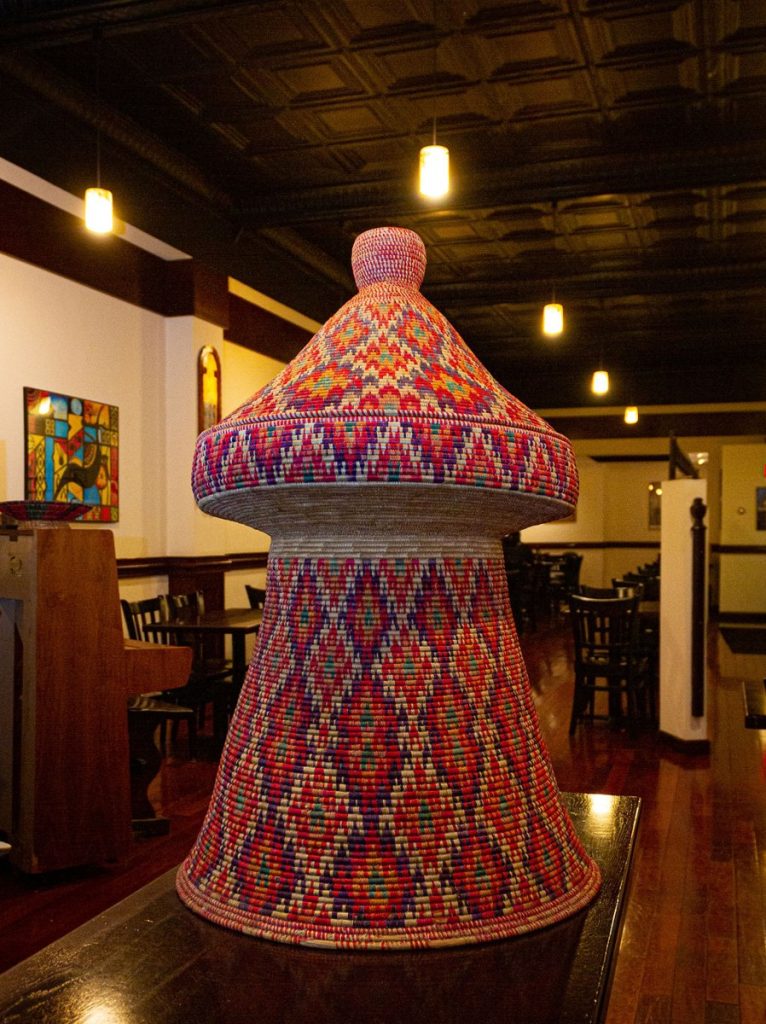
Aliza called it a “Vegetarian New Haven institution!” She “loved the server who gave us the food history,” including that Ethiopia was never colonized and that fasting traditions there make the vegetarian food “super unique.” “We ate at the basket table. It was a fun date w my sis,” she wrote.
Shea came with a party of eight in May. “I’m truly shocked this place wasn’t packed. The food was soooo good! The staff and customer services was excellent!” she wrote, adding a tip: “Ps get the platters so you can try more.”
Not every visit is perfect. Ashley, a first-timer who gave four stars this spring, said the power went out for about 10 minutes during her meal and that she felt rushed when ordering. A server also cleared her plate before she could ask for a to-go box. Still, she said “the injera was really good,” the beet salad was her favorite and “the coffee was delicious,” and that she would probably go back.
Reviews quoted on the restaurant’s own website say much the same. “I was impressed by the generous portion sizes, too,” Danny wrote. Marisa listed her go-tos: the tomato salad, “the stewed spicy chicken and beef,” the lentils, the potatoes and cabbage, and the chicken sambusa.

What to order
Prices are from the menu on Lalibela’s website, and the photos are the restaurant’s own. Everything is eaten with injera, and an extra basket is $2. If it’s your first time, do what the regulars do: order a combo and share.
Doro Wat ($18.95). A classic, and one of Shilimat’s own favorites. Chicken is cooked in butter and sautéed onions with garlic, fresh ginger and berbere, then simmered until tender.
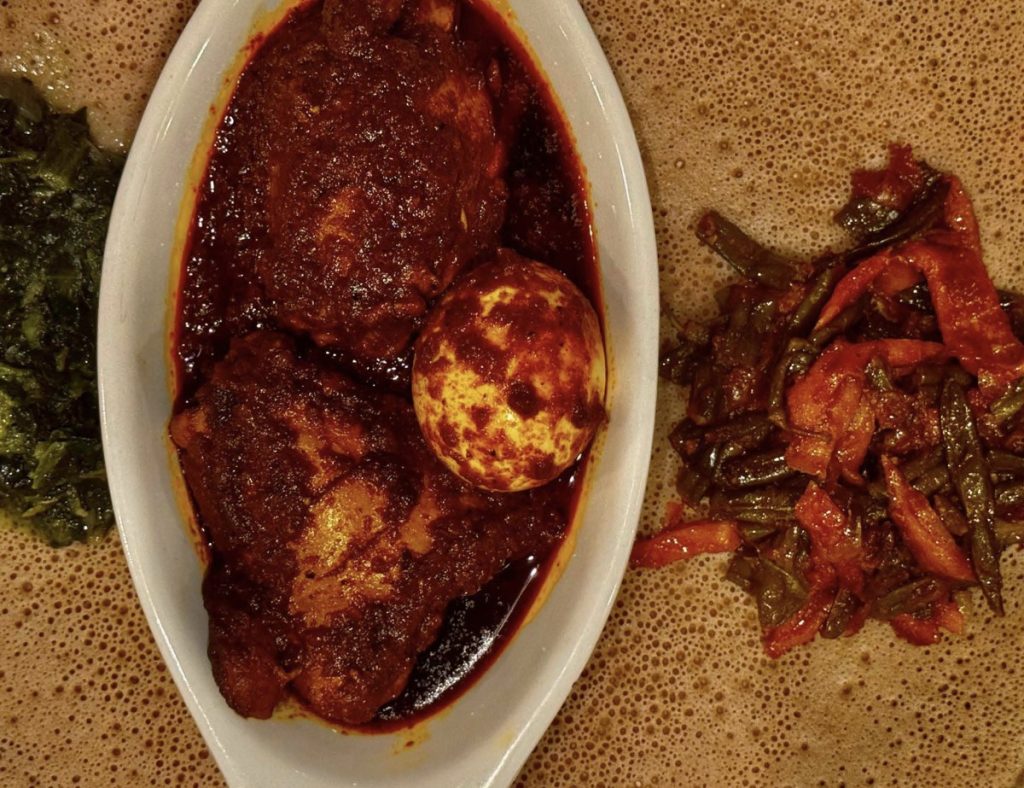
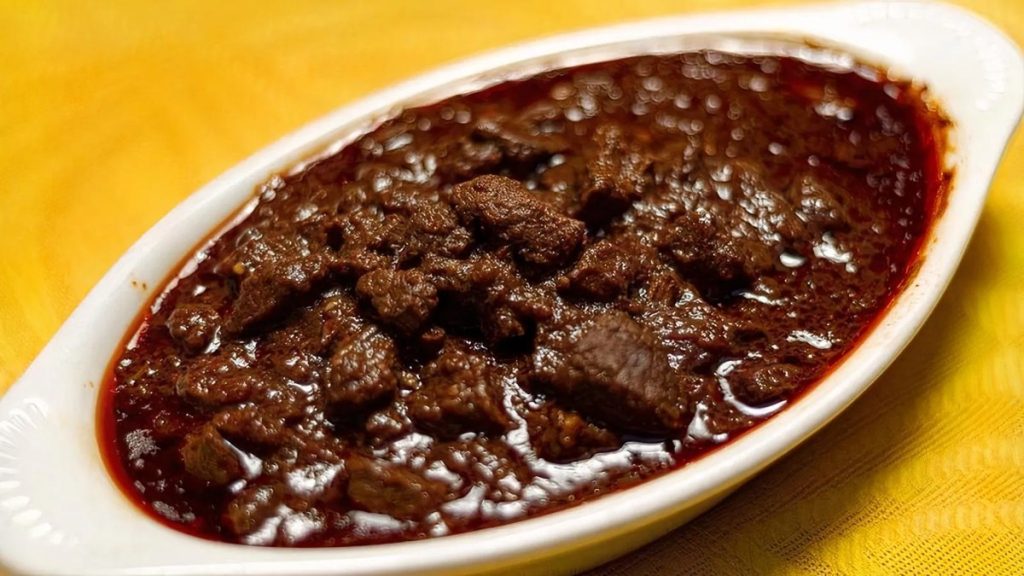
Siga Wat ($20.95). Cubed prime beef cooked with onions, ginger, garlic, purified butter and berbere. It’s rich and spicy, and it’s one of the four signature dishes on the restaurant’s homepage.
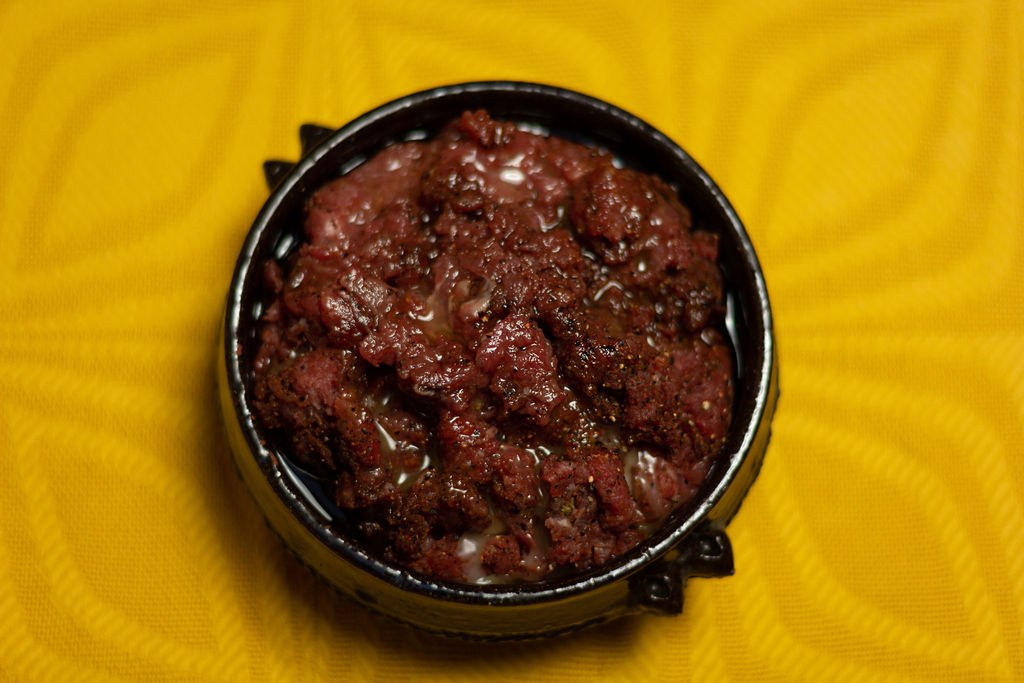
Kitfo ($24.95). The menu calls it the Ethiopian version of steak tartare: finely chopped prime beef seasoned with mitmita, purified butter and Ethiopian spices.
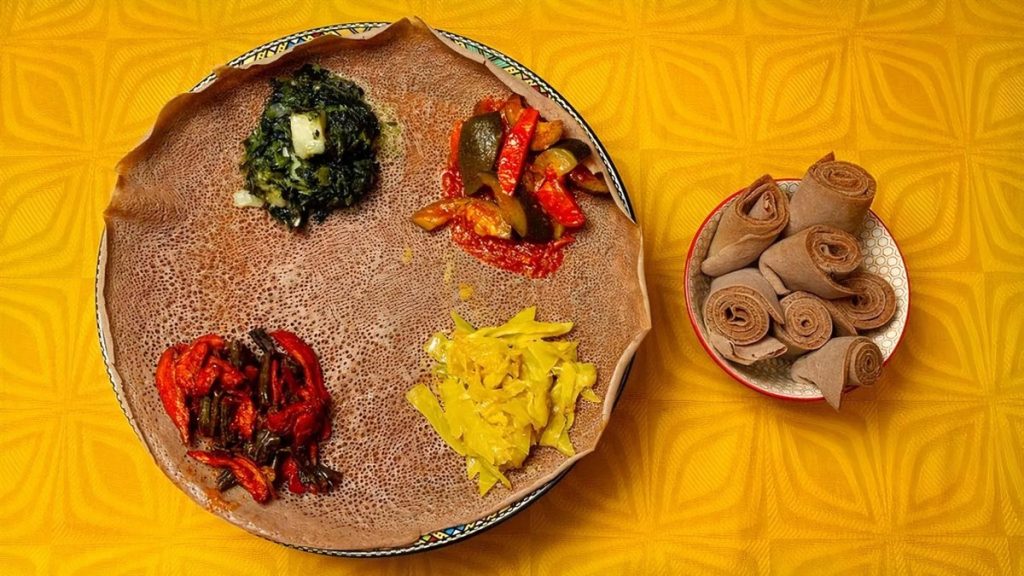
Vegetarian Combo ($17.95). Pick four of the nine vegetarian dishes, from spicy red lentils (yemisir wat) and yellow split peas (ater kik) to fosolia and kosta, the spinach and potatoes. Meat eaters can get the Specialty Platter ($19.95), which lets you mix in meat dishes such as doro wat and siga wat.
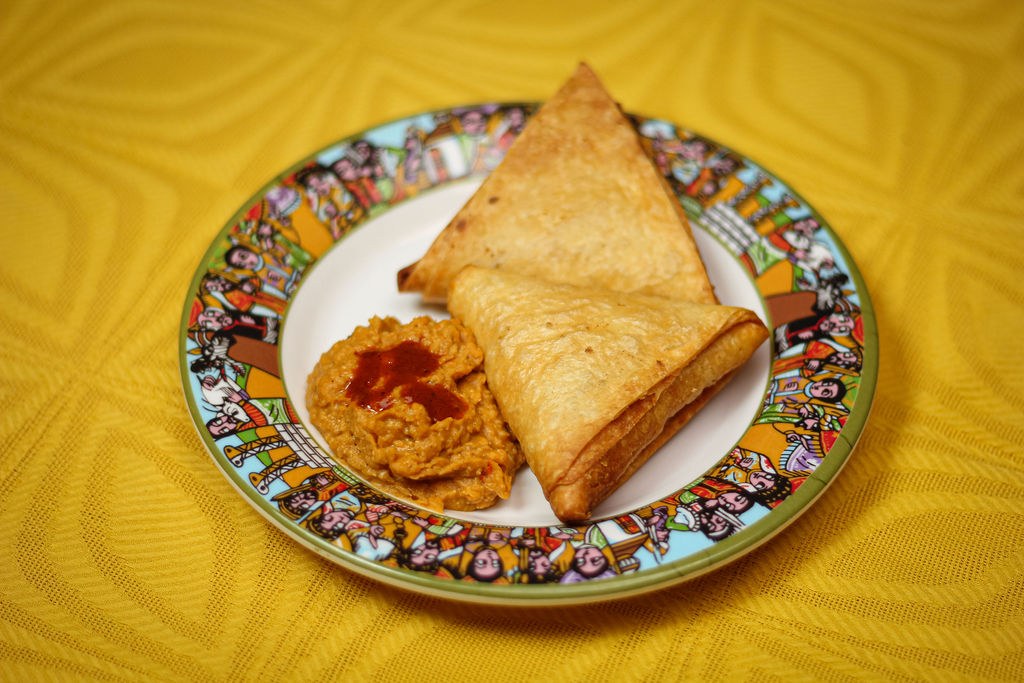
Sambusa ($8.95). Wub calls it one of the most popular appetizers in the house. The crisp pastry triangles are stuffed with spiced lentils, beef or chicken, and they come with a chickpea dip Shilimat makes herself. The family calls it buticha. “People are crazy about it,” Wub said.
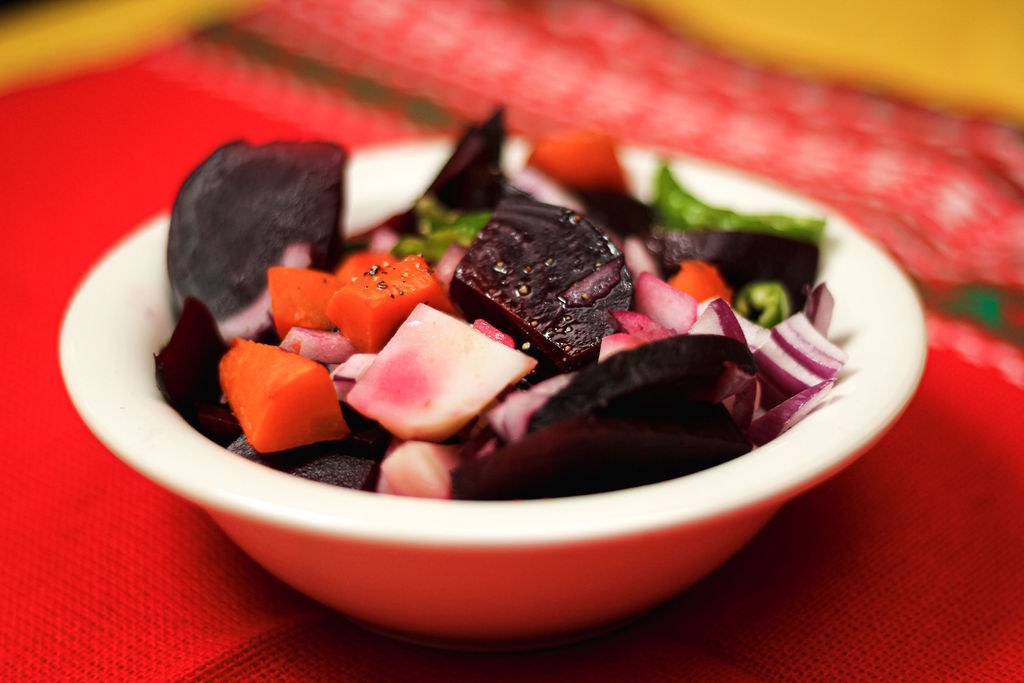
Key Sir Selata ($9.95). Beets, potatoes, carrots, shallots and green pepper in the house dressing. This is the “beet salad” Ashley called her favorite.
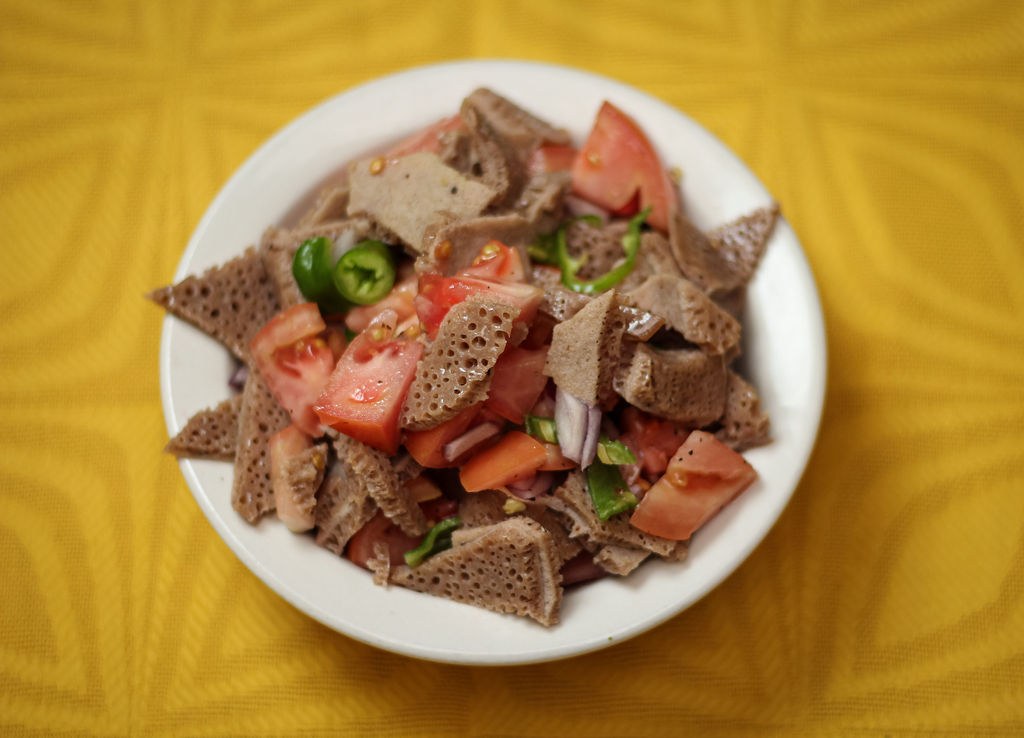
Timatim Fitfit ($9.95). Tomatoes, shallots and green peppers tossed in the house dressing with torn pieces of injera. It’s a bright, cool counterpoint to the stews.
Baklava ($7.95). A flaky, honey-drizzled finish.

Habesha beer ($8). One of three Ethiopian lagers on the menu, along with St. George and Walia.

If you go
- Where: 176 Temple St., downtown New Haven
- Hours: Google lists Monday through Thursday 11:30 a.m. to 10 p.m., Friday and Saturday 11:30 a.m. to 11 p.m., and Sunday 3:30 to 10 p.m. Holiday hours vary, so call ahead.
- Reservations: By phone at 203-789-1232. Takeout and delivery can be ordered online through the restaurant’s website, lalibelact.com.
- Parking: Street parking, plus nearby downtown garages.
- Lunch on the go: The truck and carts on Church, Cedar and Sachem streets, weekdays 11 a.m. to 2 p.m.
Wub said what he loves most is a first-timer’s first bite, because “by eating Ethiopian food,” guests also get exposure to Ethiopian culture and music. Shilimat said the regulars are the reward. “You see them after five years, 10 years, they still loyal customer.” After 27 years on Temple Street, Lalibela has a lot of both.
More from our Sponsored Partners
Sponsored Partner






The New Haven Courier may be paid a small commission on partner offers at no cost to you.
Want New Haven news in your inbox? The New Haven Courier newsletter is coming soon. Email news@newhavencourier.com with “Newsletter” in the subject line to get on the list.
Have a tip? Email news@newhavencourier.com